

Themes in This Book
Click a theme to find more books with similar topics
What to expect ahead
What follows is a compact summary of each chapter in the book, designed to help you quickly grasp the core ideas while inviting you to continue into the full original text. Even when chapter text is presented here, these summaries are meant as a gateway to understanding, so your eventual reading of the complete book feels richer, deeper, and more fully appreciated.
Great Expectations
A Brief Description
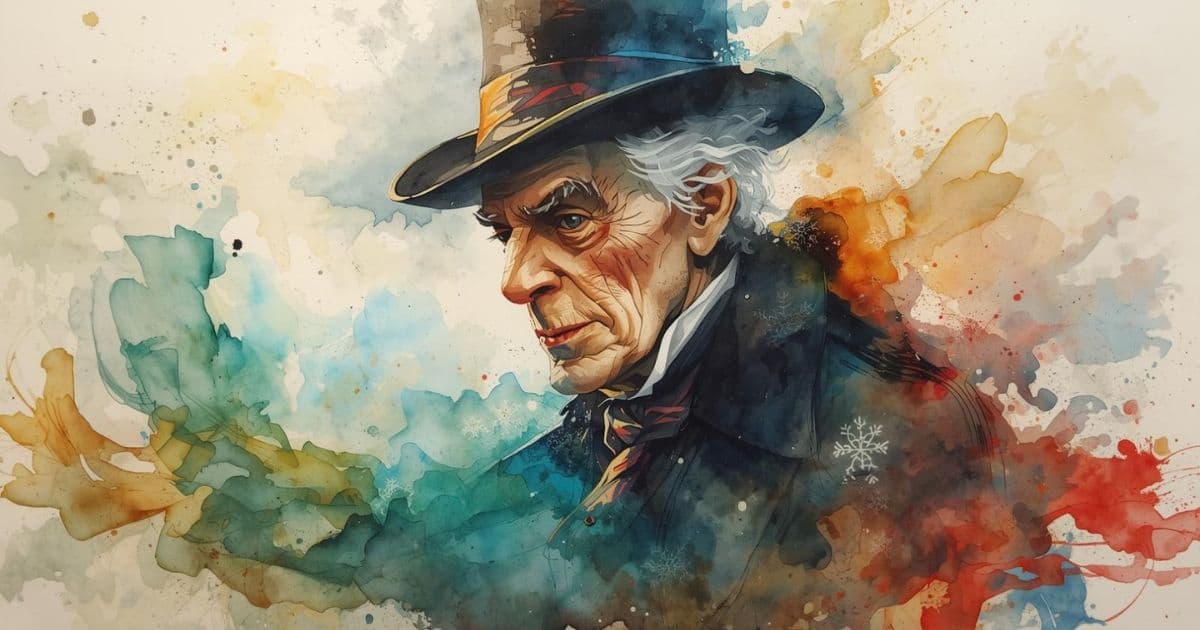
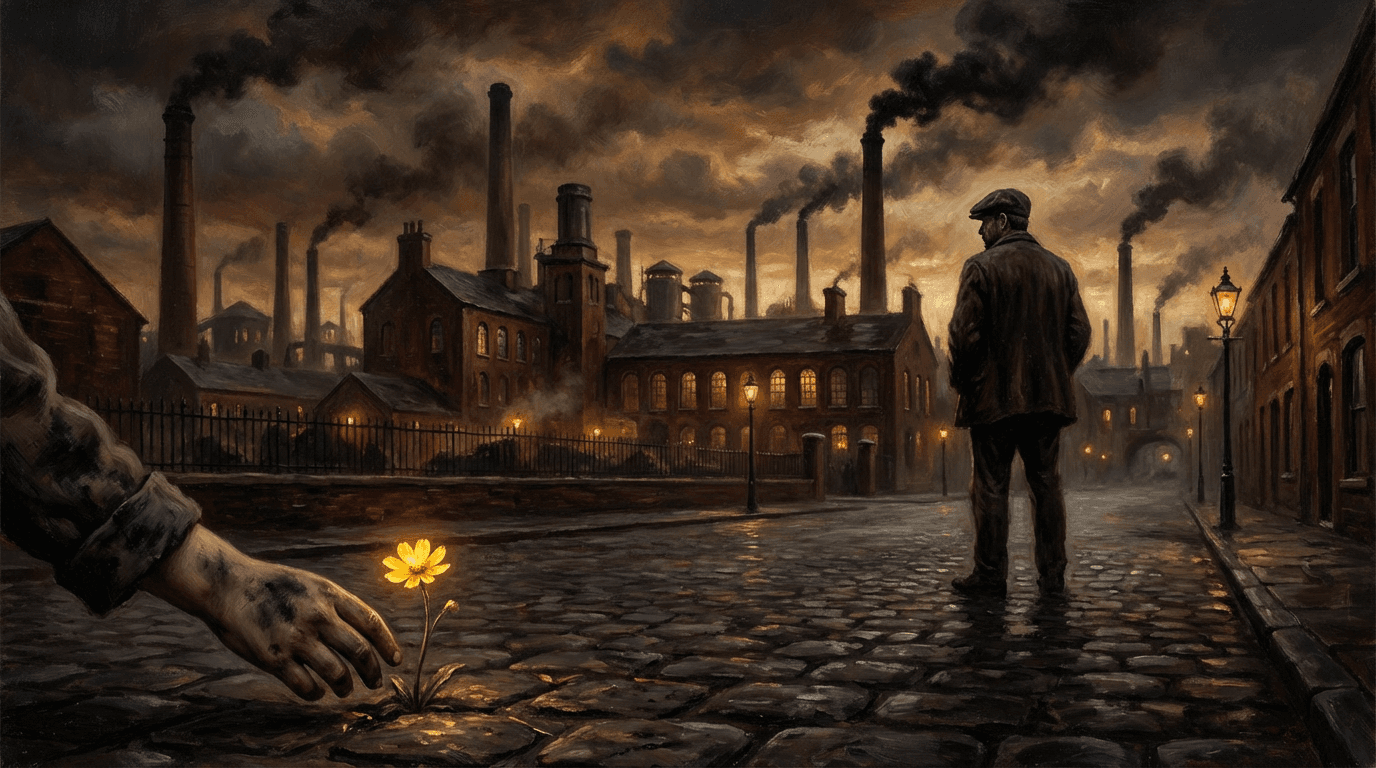
Philip Pirrip—Pip—is an orphan living with his sister and her husband Joe, the village blacksmith. On a foggy evening in the marshes, young Pip encounters an escaped convict who threatens him into stealing food and a file. This terrifying moment sets in motion a transformation that will haunt Pip for the rest of his life.
Years later, Pip receives stunning news: an anonymous benefactor has left him a fortune and wants him to become a gentleman. Pip assumes his patron is Miss Havisham, the wealthy eccentric who raised the beautiful Estella to break men's hearts. (Estella broke Pip's when they first met—she called him "common" and made him ashamed of his coarse hands and thick boots.) Pip moves to London, abandons Joe and his working-class origins, and learns to dress, speak, and act like a gentleman. He's certain this is all preparation for marrying Estella.
But everything Pip believes is wrong. His benefactor isn't Miss Havisham—it's Magwitch, the convict from the marshes, who's spent decades in Australia working to make "his boy" a gentleman. Estella isn't meant for Pip—she's Miss Havisham's instrument of revenge against all men. And becoming a gentleman hasn't made Pip better—it's made him ashamed of the people who loved him most.
Charles Dickens published Great Expectations in 1860-61, at the height of his career. It's his most psychologically complex novel: a devastating portrait of how ambition, shame, and social climbing corrupt genuine relationships. Pip is both sympathetic and maddening—you understand why he wants to escape poverty and "better himself," but you also see how his snobbery destroys the people who sacrificed for him. Joe Gargery, the blacksmith, remains loyal despite Pip's coldness. Magwitch risks execution to see the gentleman he created. Even Estella, trained from childhood to be heartless, is trapped by her conditioning.
Through Intelligence Amplifier™ analysis, you'll recognize the patterns that explain modern class anxiety, imposter syndrome, and the shame that accompanies upward mobility. You'll see how genuine worth differs from status, how loyalty matters more than sophistication, and how the obsession with "bettering yourself" can destroy what's already good in your life. Most importantly, you'll learn what Pip learns too late: that character isn't about polish or position—it's about how you treat the people who have no power over you.
Essential Life Skills Deep Dive
Explore chapter-by-chapter breakdowns of the essential life skills taught in this classic novel.
When Ambition Becomes Shame
Follow Pip's transformation from grateful orphan to ashamed snob—and learn how social climbing corrupts genuine relationships when status matters more than character.
The Gentleman vs The Good Man
See the contrast between Pip's acquired polish and Joe's genuine nobility—understand why character matters more than refinement, loyalty more than sophistication.
Expectations vs Reality
Watch Pip's fantasies crumble as truth reveals itself—discover how false expectations blind us to present blessings and genuine opportunities for redemption.
Essential Skills
Life skills and patterns this book helps you develop—drawn from its themes and characters.
Recognizing How Shame Corrupts Relationships
Understand how social shame—feeling embarrassed by people you once loved—destroys genuine connection and creates a life built on pretense rather than truth
Distinguishing Status from Character
See the difference between appearing refined and being decent—Pip looks like a gentleman but Joe, the 'common' blacksmith, embodies true nobility through loyalty, honesty, and kindness
Understanding Expectations vs Reality
Learn how fantasies about what your life 'should' be blind you to the value of what you actually have—Pip's 'great expectations' nearly destroy the genuine relationships he already possessed
Navigating Upward Mobility Without Losing Yourself
Master the art of improving your circumstances without betraying your origins or abandoning the people who supported you before you 'made it'
Recognizing Toxic Mentors
Identify when seemingly sophisticated guides (like Miss Havisham) are actually using you to act out their own damage—not all advice from successful people serves your interests
Breaking Free from Others' Expectations
Understand how Magwitch's dream of creating a gentleman traps Pip as surely as Miss Havisham's training trapped Estella—learn when someone's vision for you conflicts with who you actually are
The Cost of Social Climbing
See clearly what you sacrifice when you pursue status over substance—Pip gains refinement but loses Joe, gains London society but loses peace, gains Estella's attention but loses self-respect
Redemption Through Honest Reckoning
Learn how genuine change requires facing the truth about yourself without excuse or justification—Pip's redemption begins when he stops pretending and starts acknowledging his debt to those he betrayed
Table of Contents
First Encounters with Fear and Power
Living Under the Heavy Hand
The Wrong Man
Christmas Dinner and Close Calls
The Hunt and the Capture
The Weight of Keeping Secrets
Learning Letters and Life Stories
First Taste of Shame
The Weight of Lies and Shame
The Stranger with the File
The Pale Young Gentleman's Challenge
Living with Guilt and Expectations
Joe's Uncomfortable Visit to Miss Havisham
The Shame of Home
Violence Comes Home
About Charles Dickens
Published 1861
Charles Dickens (1812-1870) wrote Great Expectations from painful personal experience. As a child, his father was imprisoned for debt, and 12-year-old Charles was forced to work in a blacking factory, pasting labels on bottles alongside working-class boys. The experience of poverty—and especially the shame of being seen in that condition by someone he knew—haunted him for life. He never told anyone, not even his children, about those months in the factory.
Great Expectations channels that shame into Pip's story. Like Dickens, Pip experiences sudden elevation from poverty to relative wealth. Like Dickens, he becomes ashamed of his working-class origins. But where Dickens turned his energy into creative genius and social reform advocacy, Pip nearly destroys himself with snobbery and false expectations. The novel is partly Dickens warning himself—and us—about the corruption that comes with social climbing.
Dickens wrote the novel at a crossroads in his own life—his marriage was ending, he was famous but restless, he was looking back at his choices with mixed feelings. The novel's famous revised ending (Pip and Estella reunited, though ambiguously) versus the original (they meet briefly and part forever) reflects Dickens's own uncertainty about whether redemption and second chances are real or merely comforting fictions.
Great Expectations is considered one of Dickens's finest works—tighter, darker, and more psychologically probing than his earlier novels. It's the most autobiographical of all his books, transforming his private shame into a universal story about class, identity, and the difference between a gentleman and a good man.
Why This Author Matters Today
Charles Dickens's insights into human nature, social constraints, and the search for authenticity remain powerfully relevant. Their work helps us understand the timeless tensions between individual desire and social expectation, making them an essential guide for navigating modern life's complexities.
More by Charles Dickens in Our Library
Amplified Classics is different.
not a sparknotes, nor a cliffnotes
This is a retelling. The story is still told—completely. You walk with the characters, feel what they feel, discover what they discover. The meaning arrives because you experienced it, not because someone explained a summary.
Read this, then read the original. The prose will illuminate—you'll notice what makes the author that author, because you're no longer fighting to follow the story.
Read the original first, then read this. Something will click. You'll want to go back.
Either way, the door opens inward.
Get the Full Book
Purchase the complete book to access all chapters and support classic literature
As an Amazon Associate, we earn a small commission from qualifying purchases at no additional cost to you.
Available in paperback, hardcover, and e-book formats
You Might Also Like


Free to read • No account required