
Themes in This Book
Click a theme to find more books with similar topics
What to expect ahead
What follows is a compact summary of each chapter in the book, designed to help you quickly grasp the core ideas while inviting you to continue into the full original text. Even when chapter text is presented here, these summaries are meant as a gateway to understanding, so your eventual reading of the complete book feels richer, deeper, and more fully appreciated.
The Great Gatsby
A Brief Description
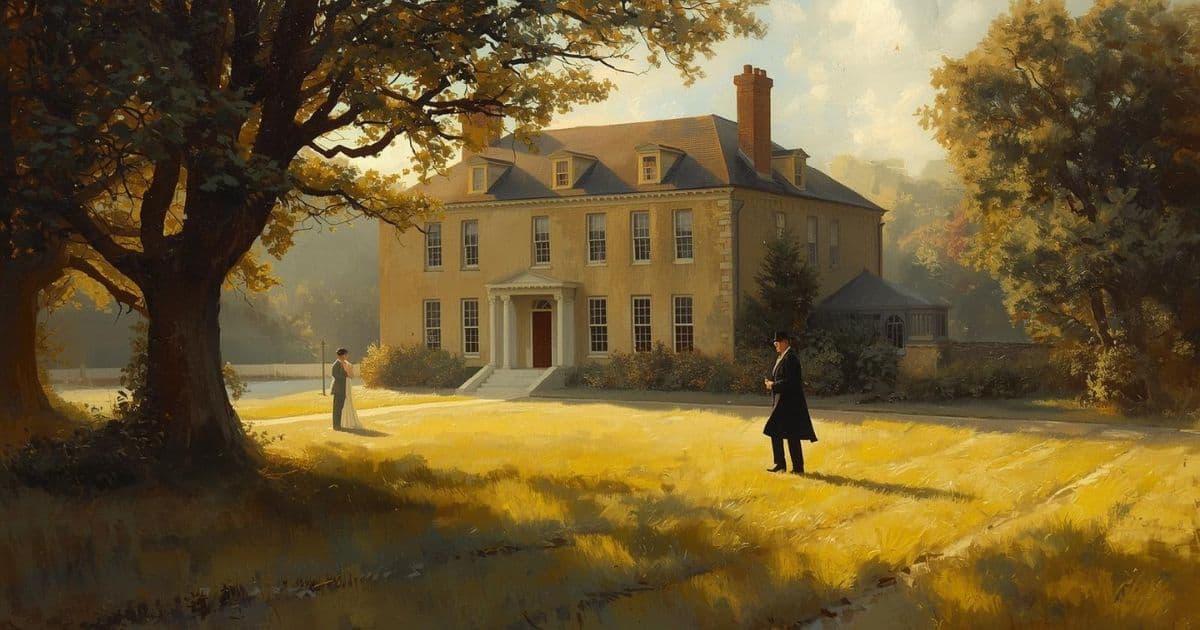
Nick Carraway arrives in New York in the summer of 1922, renting a modest cottage in West Egg across the bay from his cousin Daisy and her wealthy husband Tom. Next door stands an opulent mansion owned by Jay Gatsby—a mysterious millionaire whose legendary parties draw hundreds, yet whose past remains a carefully guarded secret. Week after week, Nick watches Gatsby's house blaze with light and music, the guests drinking champagne and dancing until dawn, while their host remains oddly apart, watching and waiting for something only he understands.
As Nick is drawn deeper into Gatsby's world, he discovers the obsession driving everything: Gatsby has spent five years building his fortune and crafting his persona for one singular purpose—to win back Daisy Buchanan, the woman he loved before the war. But Gatsby isn't chasing the real Daisy. He's chasing a girl who exists only in his memory, a moment frozen in time that can never be recovered. The green light he stares at across the bay, glowing from Daisy's dock, symbolizes not hope but delusion—the belief that enough money, enough performance, enough spectacle can resurrect the dead past.
Fitzgerald's 1925 masterpiece transcends its Jazz Age setting to reveal timeless patterns about self-deception and misplaced devotion. This isn't merely a story about parties and bootleggers. It's a surgical examination of how we build false identities to escape our origins, how romantic obsession blinds us to present reality, and how the American Dream—that seductive promise that we can simply remake ourselves through will and wealth—becomes a trap when untethered from truth. What's really going on, we decode what Fitzgerald captured about the performance of status, the violence of careless privilege, and the devastating cost of living for a version of the past that never actually existed. You'll learn to recognize when you're chasing illusions that can't be caught, when glamour is papering over emptiness, and how to distinguish authentic reinvention from desperate escape.
Essential Life Skills Deep Dive
Explore chapter-by-chapter breakdowns of the essential life skills taught in this classic novel.
You Cannot Repeat the Past
6 chapters on Gatsby's five-year project of recovery — why the green light loses its meaning the moment it's touched, and what the closing image of boats against the current actually means.
Confusing the Dream with the Person
6 chapters on Gatsby's love for Daisy — how her voice full of money made her a symbol rather than a person, and why no real Daisy could carry what she represented to him.
What Wealth Actually Signals
6 chapters on East Egg vs. West Egg, the valley of ashes, and why Gatsby's millions cannot buy him across the one boundary that actually matters in this world.
The Cost of Watching
6 chapters on Nick Carraway — who sees everything clearly and acts on almost none of it, and what Fitzgerald reveals about the moral position of witnesses who enable.
Essential Skills
Life skills and patterns this book helps you develop—drawn from its themes and characters.
Recognizing Illusions and False Dreams
Identify when you're chasing something that can never be caught or that doesn't exist
Seeing Beyond Surface Appearances
Look past wealth, status, and glamour to see what's really there
Understanding the Cost of Reinvention
Recognize when trying to become someone else comes at too high a price
Navigating Social Class and Status
Understand how class barriers work and when they can't be crossed
Processing Nostalgia and Lost Love
Learn when to let go of the past and when to move forward
Recognizing Corruption Beneath Glamour
See the darkness that often lies beneath beautiful surfaces
Table of Contents
The novel opens with Nick Carraway reflecting on his father's advic...
Nick travels with Tom to New York, passing through the valley of as...
Nick finally attends one of Gatsby's legendary parties
Gatsby takes Nick to lunch in New York, revealing more about his past
Gatsby arranges a meeting with Daisy through Nick
A reporter arrives asking about Gatsby, revealing his growing notor...
The day of the confrontation arrives
The morning after the accident, Nick finds Gatsby still waiting, st...
Nick arranges Gatsby's funeral, but almost no one comes
About F. Scott Fitzgerald
Published 1925
F. Scott Fitzgerald (1896-1940) was an American novelist and short story writer, widely regarded as one of the greatest American writers of the 20th century. Born in St. Paul, Minnesota, Fitzgerald attended Princeton University but left before graduating to join the army during World War I. It was during his military service that he met Zelda Sayre, who would become his wife and a central figure in his life and work.
Fitzgerald's writing captured the spirit of the Jazz Age—the 1920s era of prosperity, excess, and social change. The Great Gatsby, published in 1925, is considered his masterpiece, though it was not a commercial success during his lifetime. The novel explores themes of wealth, class, love, and the corruption of the American Dream—themes that remain deeply relevant today. Fitzgerald's own life mirrored the excesses and tragedies he wrote about, and he struggled with alcoholism and financial difficulties throughout his career. He died in 1940 at the age of 44, believing himself a failure, though his work would later be recognized as some of the finest in American literature.
Why This Author Matters Today
F. Scott Fitzgerald's insights into human nature, social constraints, and the search for authenticity remain powerfully relevant. Their work helps us understand the timeless tensions between individual desire and social expectation, making them an essential guide for navigating modern life's complexities.
Amplified Classics is different.
not a sparknotes, nor a cliffnotes
This is a retelling. The story is still told—completely. You walk with the characters, feel what they feel, discover what they discover. The meaning arrives because you experienced it, not because someone explained a summary.
Read this, then read the original. The prose will illuminate—you'll notice what makes the author that author, because you're no longer fighting to follow the story.
Read the original first, then read this. Something will click. You'll want to go back.
Either way, the door opens inward.
Get the Full Book
Purchase the complete book to access all chapters and support classic literature
As an Amazon Associate, we earn a small commission from qualifying purchases at no additional cost to you.
Available in paperback, hardcover, and e-book formats
You Might Also Like


Free to read • No account required