
Themes in This Book
Click a theme to find more books with similar topics
What to expect ahead
What follows is a compact summary of each chapter in the book, designed to help you quickly grasp the core ideas while inviting you to continue into the full original text. Even when chapter text is presented here, these summaries are meant as a gateway to understanding, so your eventual reading of the complete book feels richer, deeper, and more fully appreciated.
Anna Karenina
A Brief Description
Anna Karenina tells the story of a Russian aristocrat who sacrifices everything for a forbidden passion—and pays a price that reveals exactly how society decides which transgressions it will punish and which it will forgive.
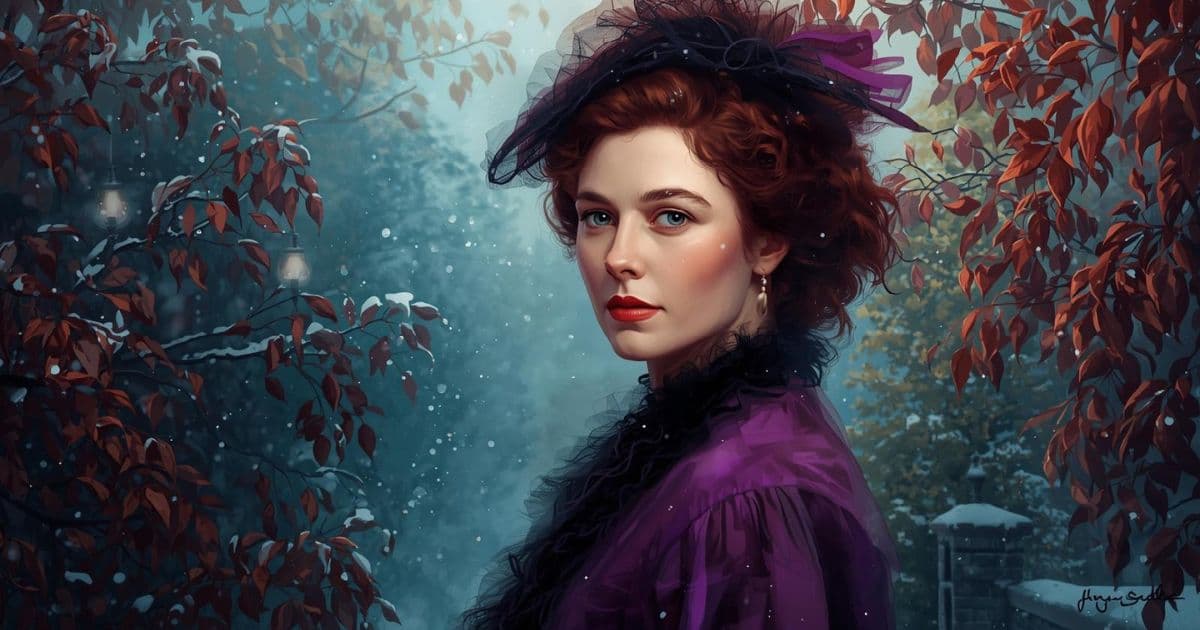
Set against the glittering backdrop of 1870s St. Petersburg and Moscow, Tolstoy weaves two parallel lives. Anna Karenina, beautiful and vivid, abandons her respectable marriage for Count Vronsky, a man who embodies everything her cold husband is not. What begins as liberation hardens into exile: cut off from her son, shunned by the society that once adored her, Anna watches the love that freed her slowly devour her from within. Jealousy replaces passion. Obsession replaces intimacy. And the woman who dared to want more finds herself wanting nothing but relief from wanting.
Running alongside Anna's unraveling is Konstantin Levin, an idealistic landowner who stumbles through his own search for meaning. Levin doesn't burn—he fumbles. He fails at philosophy, politics, and romantic love before finding something steadier: meaning built through honest work, family, and hard-won spiritual acceptance. Where Anna flames and shatters, Levin quietly endures.
The contrast is Tolstoy's real argument. He isn't condemning passion or praising duty. He's dissecting the architecture of the self—showing how different inner structures, one dependent on external validation, one rooted in something quieter and more durable, can lead to radically different fates.
What's really going on: Tolstoy traces how passion becomes obsession, how society punishes women for the same acts it overlooks in men, how jealousy destroys the very love it tries to protect, and how the desperate search for transcendent meaning can lead to both profound wisdom and devastating ruin.
This is Tolstoy at his most psychologically penetrating—a novel that doesn't warn us against love, but against losing yourself completely in the pursuit of it, until the life you chose becomes the one thing you can no longer bear.
Essential Life Skills Deep Dive
Explore chapter-by-chapter breakdowns of the essential life skills taught in this classic novel.
Recognizing Consuming Passion
7 chapters tracking how Anna's love transforms into all-consuming obsession—revealing when passion stops expanding your life and starts devouring it.
Understanding Social Double Standards
7 chapters exposing how society destroys Anna for choices that barely inconvenience Vronsky—revealing brutal double standards based on gender and status.
Managing Jealousy
7 chapters documenting Anna's descent from love to paranoid torment—showing how jealousy creates the very betrayal it fears.
Finding Authentic Meaning
7 chapters following Levin's journey from rejection to contentment—discovering purpose through honest work, imperfect love, and spiritual searching rather than consuming passion.
Essential Skills
Life skills and patterns this book helps you develop—drawn from its themes and characters.
Recognizing Consuming Passion
Identify when love becomes an all-consuming force that clouds judgment
Understanding Social Double Standards
See how society judges the same behavior differently based on gender and status
Managing Jealousy
Recognize how jealousy can poison love and lead to self-destruction
Balancing Passion and Responsibility
Navigate the tension between personal desire and obligations to others
Finding Authentic Meaning
Discover purpose through honest work and genuine connection rather than society's approval
Surviving Social Judgment
Cope with ostracism and maintain your sense of self when society turns against you
Table of Contents
The Oblonsky household is in complete chaos
Stepan Arkadyich Oblonsky wakes up on his study couch after a fight...
When he was dressed, Stepan Arkadyevitch 'sprinkled some scent on h...
Darya Alexandrovna, in a dressing jacket, 'and with her now scanty,...
Dolly Oblonsky sits in her children's nursery, overwhelmed and hear...
Kitty Shcherbatsky sits at her family's dinner table, but she might...
On arriving in Moscow by a morning train, Levin 'had put up at the ...
Kitty Shcherbatsky sits at her window, watching the street below an...
At four o'clock, conscious of his throbbing heart, Levin 'stepped o...
When Levin went into the restaurant with Oblonsky, 'he could not he...
Kitty Shcherbatsky sits at her dressing table, torn between two ver...
Kitty Shcherbatsky attends a ball that will change everything for her
The evening has arrived
After Kitty refuses Levin's proposal, the awkward moment is interru...
After the painful scene with Levin, Kitty tells her mother everything
About Leo Tolstoy
Published 1877
Leo Tolstoy (1828-1910) was a Russian writer widely regarded as one of the greatest novelists of all time. A count by birth, he experienced a profound moral crisis that led him to reject wealth and embrace radical Christian anarchism. His epic novels War and Peace and Anna Karenina explore the deepest questions of human existence: love, death, faith, and the search for meaning.
Why This Author Matters Today
Leo Tolstoy's insights into human nature, social constraints, and the search for authenticity remain powerfully relevant. Their work helps us understand the timeless tensions between individual desire and social expectation, making them an essential guide for navigating modern life's complexities.
More by Leo Tolstoy in Our Library

Amplified Classics is different.
not a sparknotes, nor a cliffnotes
This is a retelling. The story is still told—completely. You walk with the characters, feel what they feel, discover what they discover. The meaning arrives because you experienced it, not because someone explained a summary.
Read this, then read the original. The prose will illuminate—you'll notice what makes the author that author, because you're no longer fighting to follow the story.
Read the original first, then read this. Something will click. You'll want to go back.
Either way, the door opens inward.
Get the Full Book
Purchase the complete book to access all chapters and support classic literature
As an Amazon Associate, we earn a small commission from qualifying purchases at no additional cost to you.
Available in paperback, hardcover, and e-book formats
You Might Also Like


Free to read • No account required